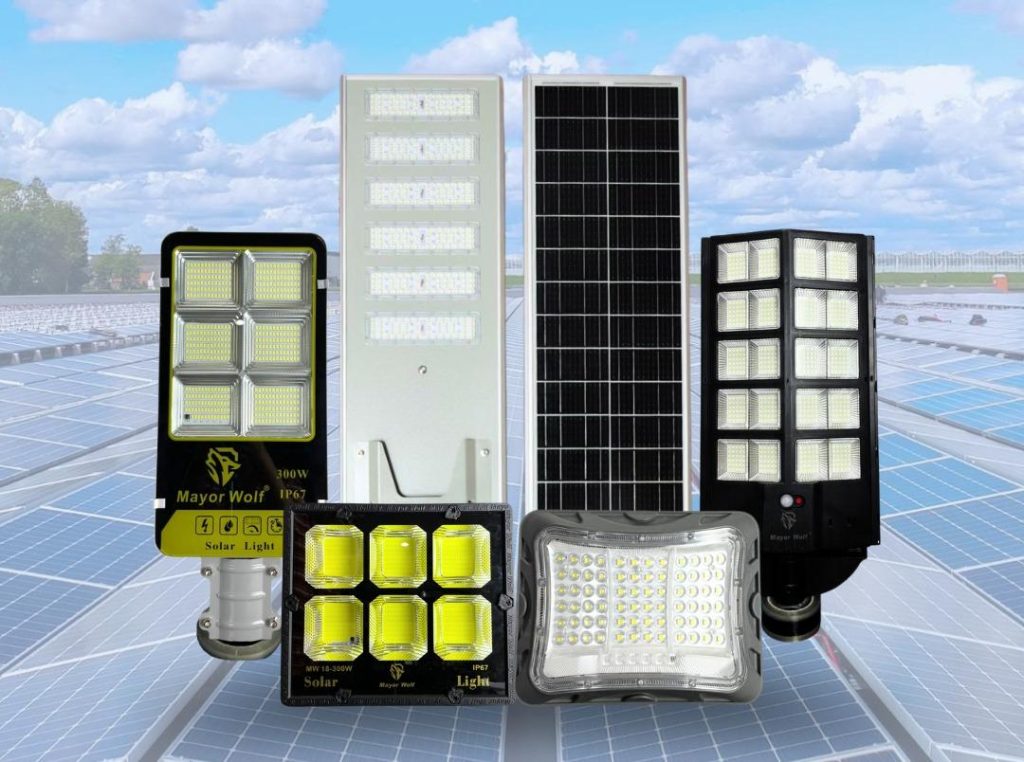
How to choose solar streetlights is an important topic for project buyers seeking efficient, weather-resistant, and easy-to-plan outdoor lighting. This guide helps you understand the technical requirements before requesting a quote.
Start with the area function, not the catalog
Choosing the right solar streetlight always starts with the area’s function. Village roads, industrial zone access roads, parking lots, warehouse yards, and public parks each require a different approach. If a buyer selects a product directly from a catalog without considering the site conditions, the chosen product may be too small, too large, or not provide the light pattern the user needs.
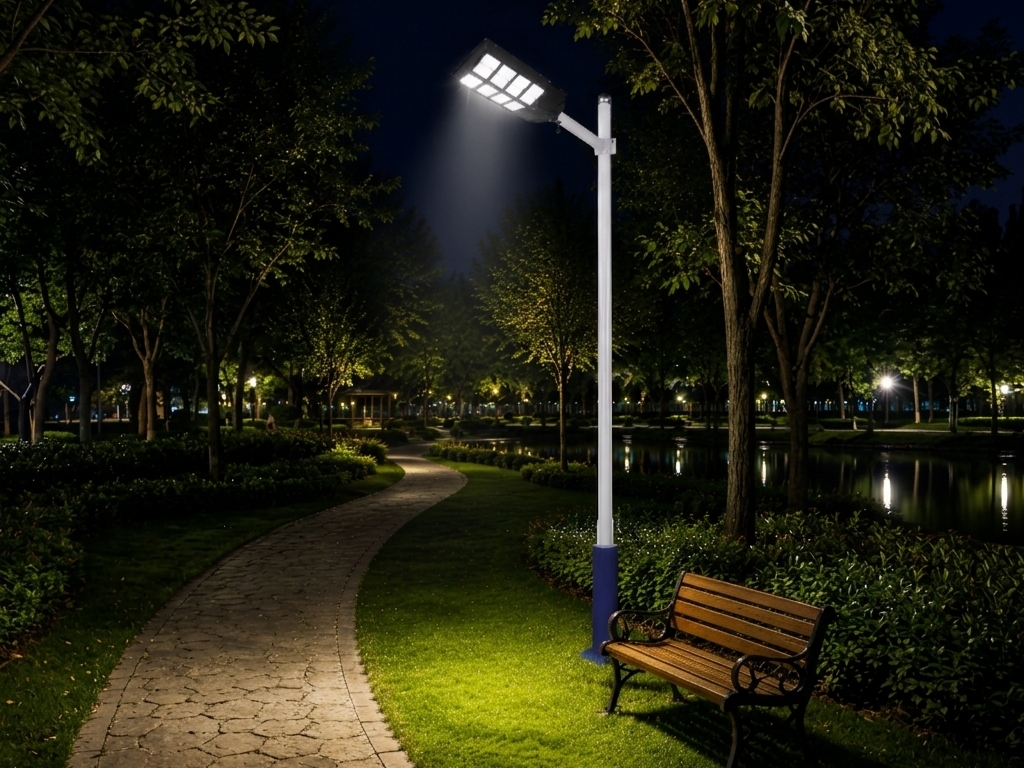
The area’s function determines the pole height, beam angle, battery capacity, runtime, and whether a motion sensor is needed. Roadways used by vehicles require even, non-glare lighting. Parking lots require visibility for vehicles and pedestrians. Park paths require comfortable lighting, not just bright lighting.
Check the road width and pole height
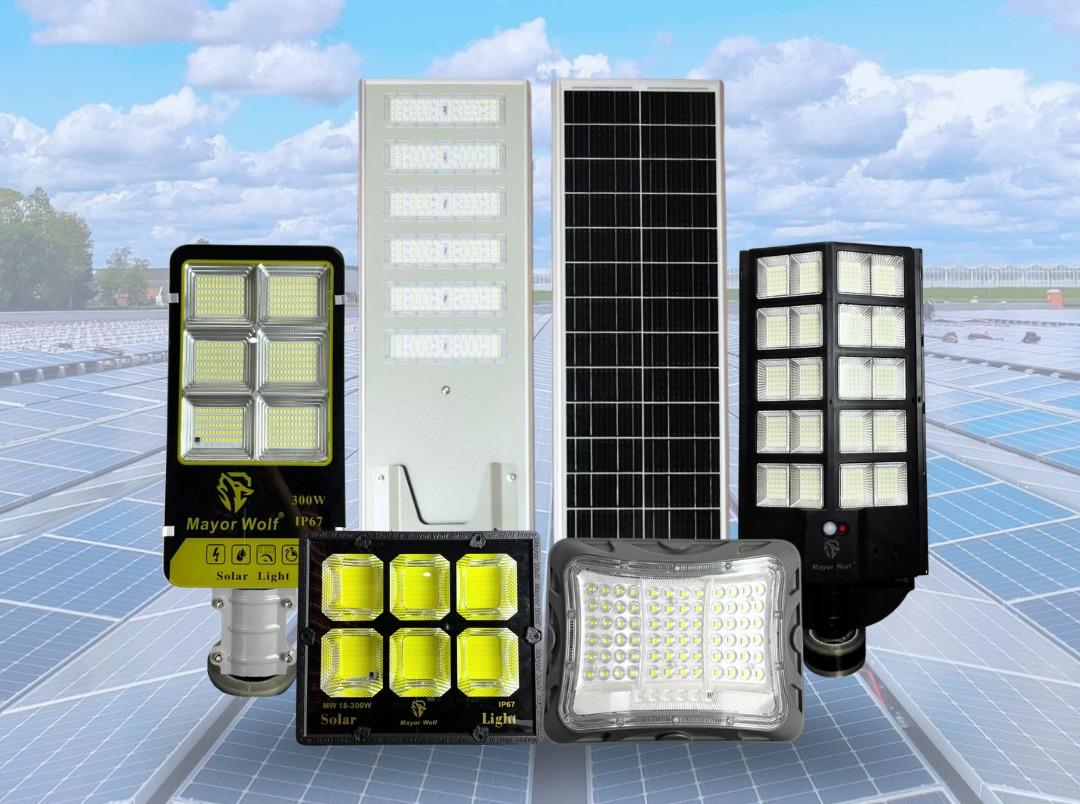
Road width and pole height are two very important initial factors. High-wattage lights do not automatically perform well if installed too low or too high. If the pole is too low, the light can be blinding and have a narrow beam. If the pole is too high, the light can weaken before reaching the road surface. Therefore, the site dimensions must be considered in conjunction with the light’s optics.
For projects using existing poles, suppliers need to know the diameter, condition of the brackets, and installation direction. For new projects, the pole height can be planned from the outset to ensure more efficient spacing between points. Simple data such as road width, distance between poles, and installation height will make recommendations much more accurate.
Understand the operating time and operating modes
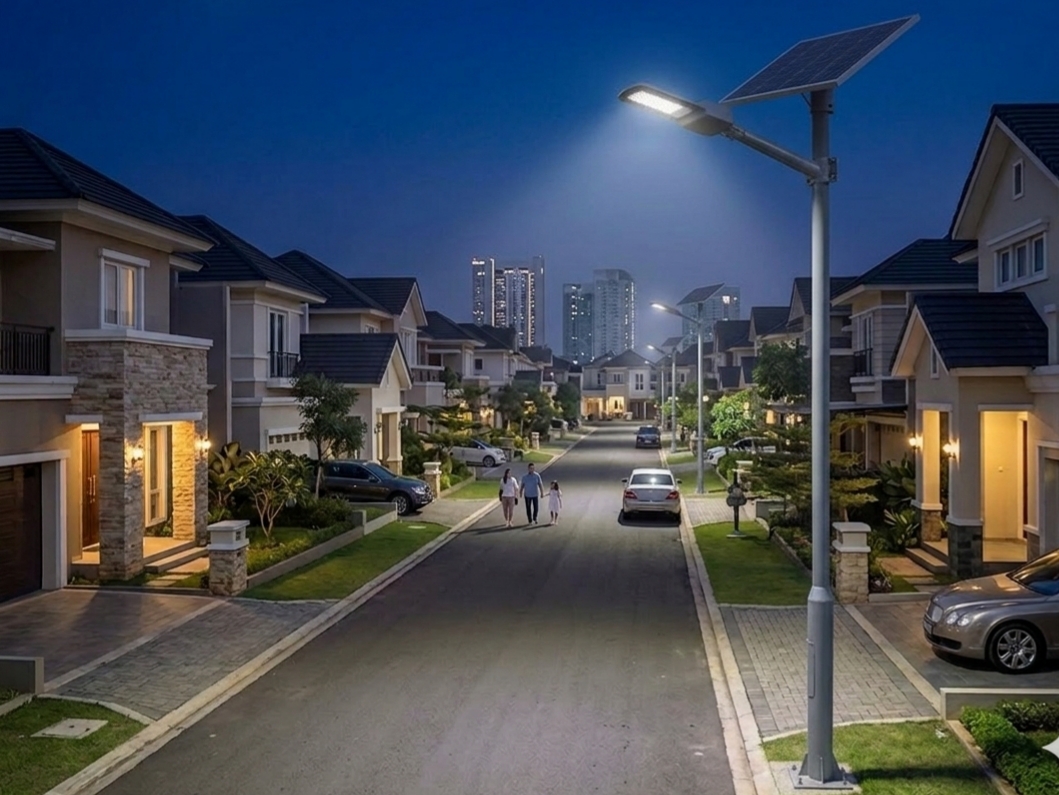
Solar streetlights can be configured with several operating modes, such as full brightness, dimming after a certain time, or motion sensors. The operating mode affects battery consumption and panel size. Locations with heavy activity throughout the night require a more consistent runtime. Areas with low traffic can use energy-saving mode to extend battery life during cloudy weather.
When selecting solar streetlights, the target operating hours should be realistic. If a buyer requests very bright lighting throughout the night but wants small panels and batteries, the system will quickly run out of power. A good supplier will explain the trade-offs between brightness level, operating duration, battery size, panel size, and price.
The battery, panel, and controller must be balanced
The three main components that determine performance are the solar panels, the battery, and the controller. The panels generate energy, the battery stores energy, and the controller manages energy usage. If any one of these components is too weak, the system will not function optimally. Large panels without a battery are not enough to solve the problem. Similarly, a large battery without panels will have difficulty charging to full capacity.
LiFePO4 batteries are often used for outdoor lighting because they are stable for daily charging cycles. Monocrystalline panels help ensure more efficient charging. A good controller protects the battery from overcharging and over-discharging. This balance is more important than the wattage figures that look appealing in brochures.
Pay attention to the IP rating and the body material
Southeast Asia memiliki kombinasi hujan, panas, debu, dan kelembapan tinggi. Karena itu, rating IP65 atau IP67 perlu diperhatikan untuk pemakaian outdoor. Namun rating IP bukan satu-satunya faktor. Material bodi, kualitas seal, desain pembuangan panas, dan cara pemasangan kabel juga memengaruhi daya tahan produk.
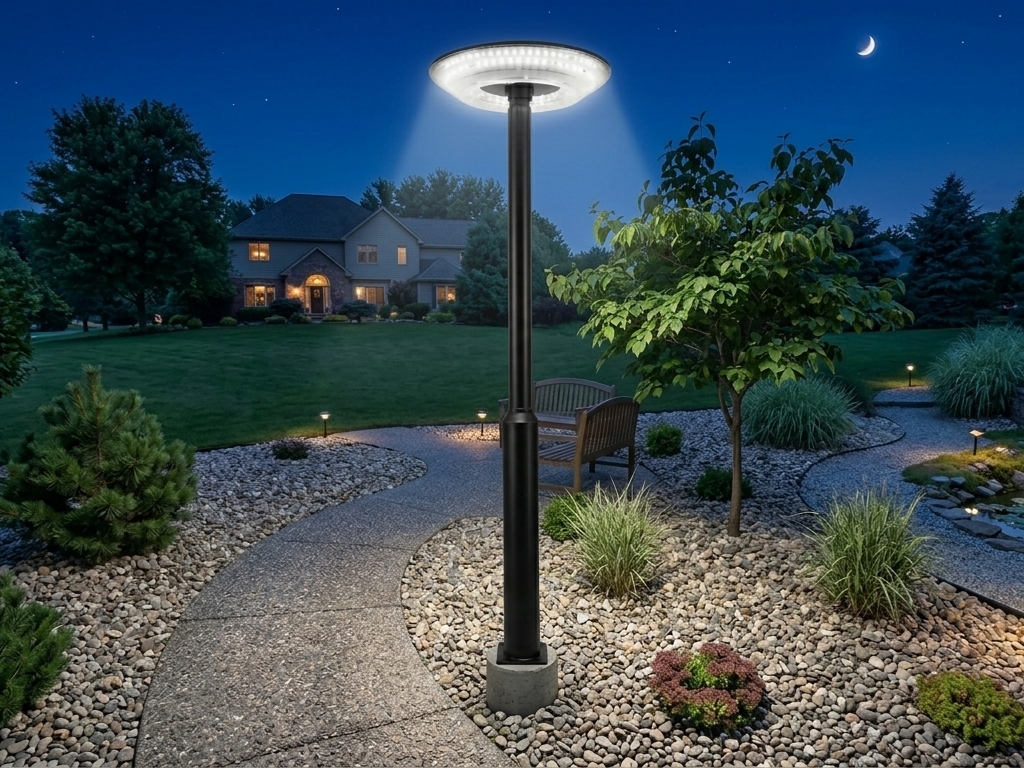
For locations near the ocean, in industrial areas, or in places with harsh weather conditions, the body structure and finish quality become even more important. Outdoor lights operate every night and are exposed to the elements every day. Choosing products made of stronger materials is often more cost-effective in the long run.
Use photos of the location for quick recommendations
Site photos help suppliers identify details that aren’t always apparent from numerical data alone. Tree shadows, the orientation of buildings, road conditions, areas prone to darkness, and previous installation sites can all be seen in the photos. If buyers provide both daytime and nighttime photos, the recommendation process will be faster and require fewer revisions.
Choosing solar street lights also becomes easier when buyers specify their priorities. Is the focus on affordability, brighter light, a sleek design, fast delivery, or specifications for project documentation? Clear priorities ensure that model recommendations don’t stray into a multitude of unnecessary options.
Pre-Purchase Checklist
Before making a purchase, prepare a simple list: type of area, area size, number of light points, pole height, target operating hours, weather conditions, and target delivery time. Ask the supplier to explain the specifications of the panels, batteries, LEDs, materials, IP rating, warranty, and post-purchase service. Don’t hesitate to ask for model comparisons if the area is still undetermined.
For project buyers, documentation is also important. Keep copies of proposals, specifications, product photos, and recommendation notes. Well-organized documents facilitate communication with the field team, project owners, or the procurement department. The clearer the initial data, the lower the risk of selecting an unsuitable product.
A Summary for Safer Decisions
To choose a safe solar streetlight, first assess the location and then adjust the specifications accordingly. The right product is one that strikes a balance between lighting needs, operating duration, installation requirements, weather conditions, and budget. An option that seems inexpensive at first may not necessarily be the most efficient if the project requires durability and long-term service.
Mayor Wolf can help evaluate photos of the site, the number of points, the height of the poles, and your space requirements. Send your project details via WhatsApp or the contact form, and we’ll help prepare model recommendations and an initial quote tailored to your needs.
Implementation steps after the specifications have been selected
Once the initial model has been selected, the next step is to create a list of installation points. Mark the areas that need lighting the most first, such as curves, gates, small intersections, pedestrian paths, parking areas, and areas with nighttime activity. This list helps you calculate the number of units more accurately and reduces the risk of buying too many or too few.
If the space is large enough, divide it into several zones. The main zone is the area that must always be well-lit, while the supporting zones are areas that can use moderate lighting or motion sensors. This division helps keep the budget under control because the specifications do not have to be the same for every location. The zoned approach also makes it easier for the project team to explain the rationale behind model selection to the property owner or the procurement department.
Things to Check When Receiving Your Order
Upon receipt of the goods, check the number of units, the condition of the packaging, and whether the brackets, remote controls, or accessories are included, as well as whether the model matches the order. Taking photos of the items before and after opening the packaging will help with documentation in case of shipping damage. For projects with multiple locations, keep a record of the unit numbers or installation groups to make on-site inspections easier.
Before mass installation, conduct a simple test on a few units. Make sure the lights turn on, the sensors are working, the remote control functions properly (if available), and the panel receives sufficient sunlight. This preliminary test does not replace professional installation, but it helps identify basic issues before all units are installed. This small step often saves time when the project is located far from a warehouse or store.
Installation standards that contribute to service life
The panels should be oriented toward an area that receives the best sunlight and is not shaded by trees, billboards, or buildings. If using an existing pole, make sure the structure is still strong enough to support the load and withstand the wind. Joints, bolts, and brackets need to be securely fastened so that the lights do not shift out of position after heavy rain or vehicle vibrations.
In public areas, lighting direction must also prioritize user comfort. Lights should not be too blinding for drivers, security guards, or nearby residents. If the area has security cameras, the lighting direction can be adjusted so that faces, license plates, and access routes remain visible. The best results are usually achieved when lighting is considered in conjunction with safety, aesthetics, and ease of maintenance.
Minimal aftercare following installation
Maintaining solar lights isn’t complicated, but it still requires a basic maintenance schedule. Clean the panels of dust, leaves, and debris periodically. Check for any new trees, buildings, or other objects that are starting to block the panels. Make a note of any units that appear dim so you can check them early before they stop working entirely. With this simple maintenance, the system’s performance is usually more stable throughout the year.
For project buyers, keep your proposal documents, installation photos, fixture location records, and the supplier’s contact information. This information will be useful when you need to file a warranty claim, add units, or undertake a follow-up project. Mayor Wolf can help reassess your site requirements if, after installation, there are changes to the area, additional fixtures, or a need for brighter lighting.
Short message template for requesting a quote
To speed up the consultation process, please send a message in a simple format: type of location, city or province, number of poles, pole height, area size, target operating hours, and a photo of the location. If you already have a preliminary budget or a delivery deadline, please include that information from the start. This information allows the supplier team to immediately filter relevant models and avoid wasting time on unsuitable options.
For projects still in the planning stage, it’s okay if not all the data is complete yet. Start with photos of the site and the intended use of the area, then move on to technical discussions. A phased approach is better than waiting for perfect documentation only to have decisions delayed. The sooner the initial requirements are understood, the sooner estimates for the product, the number of units, and the bid range can be prepared.
Night Shift Handover and Evaluation Notes
Once installation is complete, conduct inspections at night, not just during the day. Note which areas are well-lit, which still need improvement, and whether the light direction needs to be adjusted. Photos taken at night will serve as useful handover documentation for the project owner, the procurement team, and the supplier in case further adjustments are needed. These notes also facilitate future additional purchases and simplify cross-site evaluations. If the project has multiple phases, use the same set of notes to ensure lighting standards remain consistent, are easy to audit, and can be easily passed on to new teams. This way, future purchasing decisions won’t have to start from scratch, and project communication will be clearer.