spesifikasi teknis PJU solar untuk tender pemerintah menjadi salah satu topik penting untuk pembeli proyek yang ingin mendapatkan penerangan luar ruang yang efisien, tahan cuaca, dan mudah direncanakan. Panduan ini membantu Anda membaca kebutuhan teknis sebelum meminta penawaran.
Mengapa spesifikasi harus jelas sejak awal
Spesifikasi teknis PJU solar untuk tender pemerintah perlu disusun dengan bahasa yang jelas, terukur, dan mudah diverifikasi. Dokumen yang terlalu umum membuat penawaran sulit dibandingkan. Dokumen yang terlalu sempit tanpa alasan teknis juga bisa membatasi pilihan produk yang sebenarnya sesuai. Keseimbangan antara kebutuhan lapangan dan standar teknis menjadi kunci.
PJU solar untuk jalan, fasilitas publik, kawasan, atau area pelayanan masyarakat harus mampu bekerja stabil dalam kondisi luar ruang. Karena itu, spesifikasi tidak cukup menyebut watt. Dokumen perlu menjelaskan panel, baterai, LED, controller, material bodi, rating IP, mode kerja, garansi, dan dokumen pendukung.

Data lapangan sebagai dasar spesifikasi
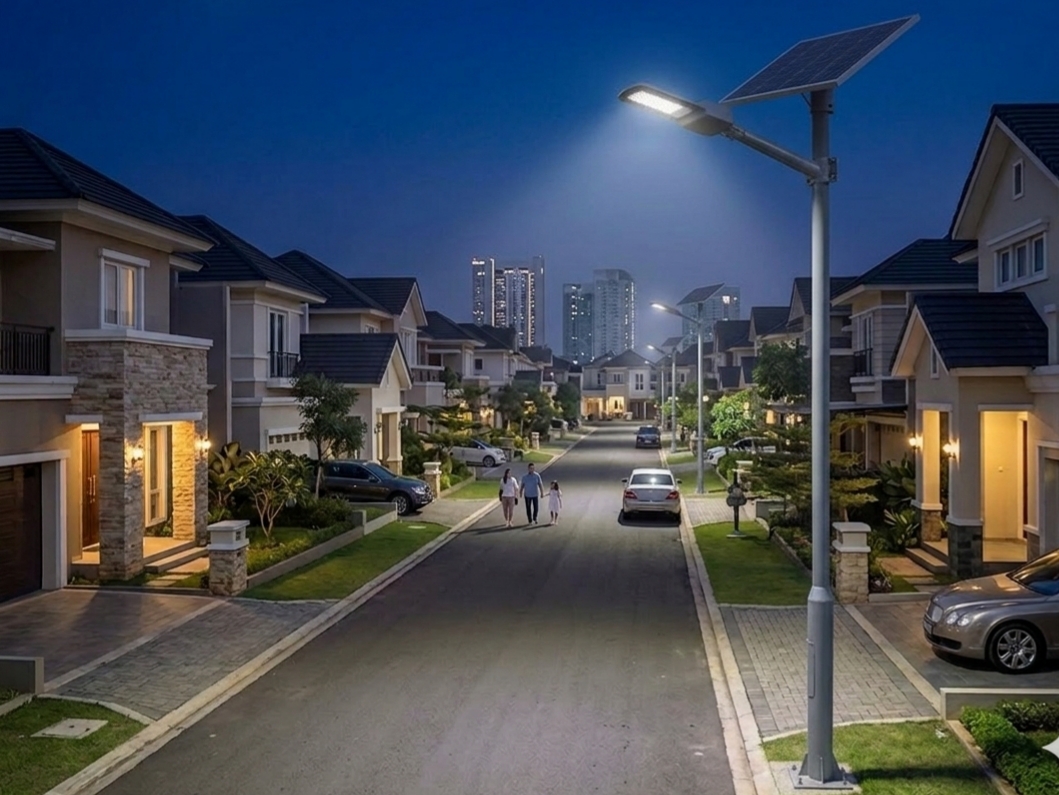
Sebelum menulis spesifikasi, kumpulkan data lokasi: lebar jalan, panjang ruas, jumlah titik, tinggi tiang, arah matahari, potensi bayangan, kondisi cuaca, dan target jam nyala. Data ini membantu menentukan apakah sistem all-in-one cukup atau perlu konfigurasi lain. Tanpa data lapangan, spesifikasi mudah menjadi daftar angka yang tidak menjawab kebutuhan nyata.
Untuk proyek pemerintah, dokumentasi foto lokasi sangat membantu proses diskusi. Foto memberi gambaran titik prioritas, area gelap, struktur yang sudah ada, dan hambatan pemasangan. Jika lokasi berada di daerah terpencil, akses teknisi dan kebutuhan perawatan juga perlu dipertimbangkan sejak awal.
Panel surya dan baterai
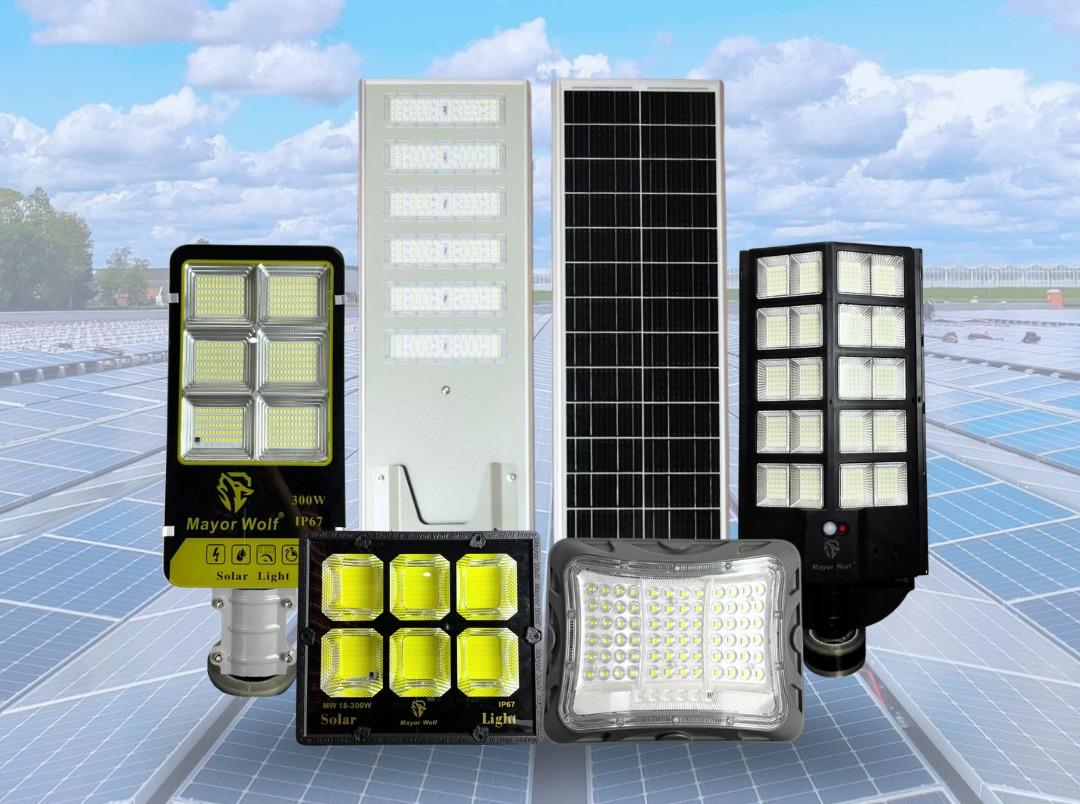
Panel surya sebaiknya dijelaskan dari sisi tipe, kapasitas, efisiensi, dan ketahanan luar ruang. Panel monocrystalline sering dipakai karena efisien dan cocok untuk ruang terbatas. Ukuran panel harus seimbang dengan kebutuhan baterai dan target jam nyala. Panel yang terlalu kecil akan membuat sistem sulit terisi penuh pada musim hujan atau cuaca mendung.
Baterai perlu ditulis dengan jelas, misalnya tipe LiFePO4, kapasitas, perlindungan, dan estimasi siklus pakai. Baterai adalah bagian penting karena menyimpan energi untuk malam hari. Dalam dokumen tender, kapasitas baterai harus realistis terhadap mode kerja dan target durasi nyala, bukan sekadar angka besar tanpa perhitungan.
LED, optik, dan distribusi cahaya
LED memengaruhi efisiensi dan kualitas cahaya. Spesifikasi dapat mencantumkan jenis chip, efisiensi lumen, temperatur warna, serta kebutuhan distribusi cahaya. Untuk jalan umum, cahaya yang merata lebih penting daripada titik yang sangat terang tetapi menyilaukan. Optik dan sudut pencahayaan perlu disesuaikan dengan lebar jalan dan tinggi tiang.
Temperatur warna juga perlu disesuaikan dengan fungsi area. Cahaya putih sering dipakai untuk jalan dan area kerja, sementara area lanskap bisa membutuhkan cahaya lebih nyaman. Dalam tender, bahasa spesifikasi sebaiknya memberi batas teknis yang cukup jelas tanpa membuat evaluasi menjadi sulit.
Material, rating IP, dan ketahanan cuaca
Karena PJU solar berada di luar ruang, material bodi harus tahan panas, hujan, debu, dan kelembapan. Aluminium die-cast atau struktur outdoor yang kuat biasanya lebih aman untuk pemakaian panjang. Rating IP65 atau IP67 membantu menunjukkan perlindungan terhadap debu dan air, tetapi kualitas seal dan pemasangan tetap harus diperhatikan.
Untuk daerah pesisir, kawasan industri, atau lokasi dengan cuaca berat, kebutuhan anti-korosi dan struktur bracket menjadi lebih penting. Dokumen teknis PJU solar untuk tender pemerintah sebaiknya menyebut ketahanan luar ruang secara konkret agar produk yang ditawarkan tidak hanya terlihat baik di brosur.
Controller, sensor, dan mode kerja
Controller mengatur pengisian dan pemakaian energi. Spesifikasi dapat mencantumkan proteksi overcharge, over-discharge, short circuit, serta dukungan mode kerja. Sensor cahaya otomatis membantu lampu menyala saat malam dan mati saat pagi. Sensor gerak dapat dipertimbangkan untuk area dengan lalu lintas rendah agar energi lebih hemat.
Mode kerja harus disesuaikan dengan kebutuhan lokasi. Ada proyek yang membutuhkan nyala penuh sepanjang malam, ada juga yang cukup memakai mode redup setelah jam tertentu. Dokumen tender sebaiknya menjelaskan target jam nyala, bukan hanya meminta produk dengan watt tertentu.
Dokumen pendukung dan garansi
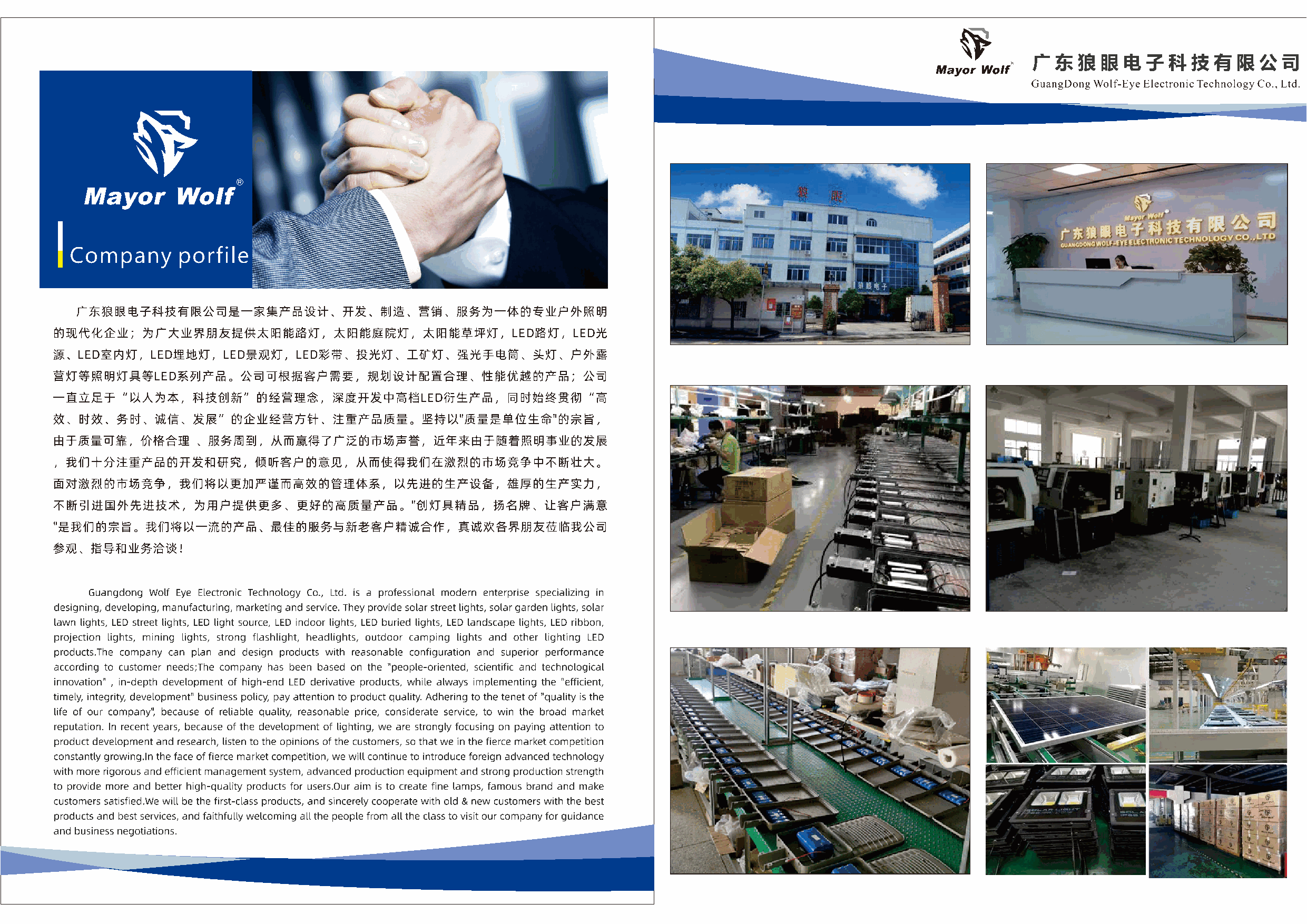
Tender yang rapi biasanya membutuhkan brosur, spesifikasi teknis, foto produk, surat dukungan, garansi, dan informasi layanan purna jual. Garansi perlu ditulis dengan cakupan yang jelas: komponen apa yang dijamin, berapa lama, dan bagaimana proses klaim dilakukan. Kejelasan ini membantu pembeli mengurangi risiko setelah pemasangan.
Dokumen pendukung juga memudahkan evaluasi antar penawaran. Jika supplier hanya memberi harga tanpa spesifikasi lengkap, pembeli sulit membandingkan kualitas. Minta penjelasan tertulis mengenai panel, baterai, LED, material, IP rating, dan mode kerja agar keputusan lebih transparan.
Checklist akhir sebelum tender berjalan
Sebelum tender berjalan, periksa kembali apakah spesifikasi sesuai data lokasi, apakah angka teknis realistis, dan apakah kebutuhan garansi sudah tertulis. Pastikan dokumen tidak hanya menyalin katalog, tetapi benar-benar menjawab kondisi lapangan. Jika perlu, minta supplier membantu membaca foto lokasi dan menyusun rekomendasi awal.
Mayor Wolf dapat membantu menyiapkan rekomendasi produk dan dokumen awal berdasarkan kebutuhan proyek. Kirim foto lokasi, jumlah titik, tinggi tiang, dan target waktu pengadaan. Tim kami akan membantu menyesuaikan spesifikasi teknis PJU solar untuk tender pemerintah agar lebih mudah dibandingkan dan lebih siap digunakan.
Implementation steps after the specifications have been selected
Once the initial model has been selected, the next step is to create a list of installation points. Mark the areas that need lighting the most first, such as curves, gates, small intersections, pedestrian paths, parking areas, and areas with nighttime activity. This list helps you calculate the number of units more accurately and reduces the risk of buying too many or too few.
If the space is large enough, divide it into several zones. The main zone is the area that must always be well-lit, while the supporting zones are areas that can use moderate lighting or motion sensors. This division helps keep the budget under control because the specifications do not have to be the same for every location. The zoned approach also makes it easier for the project team to explain the rationale behind model selection to the property owner or the procurement department.
Things to Check When Receiving Your Order
Upon receipt of the goods, check the number of units, the condition of the packaging, and whether the brackets, remote controls, or accessories are included, as well as whether the model matches the order. Taking photos of the items before and after opening the packaging will help with documentation in case of shipping damage. For projects with multiple locations, keep a record of the unit numbers or installation groups to make on-site inspections easier.
Before mass installation, conduct a simple test on a few units. Make sure the lights turn on, the sensors are working, the remote control functions properly (if available), and the panel receives sufficient sunlight. This preliminary test does not replace professional installation, but it helps identify basic issues before all units are installed. This small step often saves time when the project is located far from a warehouse or store.
Installation standards that contribute to service life
The panels should be oriented toward an area that receives the best sunlight and is not shaded by trees, billboards, or buildings. If using an existing pole, make sure the structure is still strong enough to support the load and withstand the wind. Joints, bolts, and brackets need to be securely fastened so that the lights do not shift out of position after heavy rain or vehicle vibrations.
In public areas, lighting direction must also prioritize user comfort. Lights should not be too blinding for drivers, security guards, or nearby residents. If the area has security cameras, the lighting direction can be adjusted so that faces, license plates, and access routes remain visible. The best results are usually achieved when lighting is considered in conjunction with safety, aesthetics, and ease of maintenance.
Minimal aftercare following installation
Maintaining solar lights isn’t complicated, but it still requires a basic maintenance schedule. Clean the panels of dust, leaves, and debris periodically. Check for any new trees, buildings, or other objects that are starting to block the panels. Make a note of any units that appear dim so you can check them early before they stop working entirely. With this simple maintenance, the system’s performance is usually more stable throughout the year.
For project buyers, keep your proposal documents, installation photos, fixture location records, and the supplier’s contact information. This information will be useful when you need to file a warranty claim, add units, or undertake a follow-up project. Mayor Wolf can help reassess your site requirements if, after installation, there are changes to the area, additional fixtures, or a need for brighter lighting.
Short message template for requesting a quote
To speed up the consultation process, please send a message in a simple format: type of location, city or province, number of poles, pole height, area size, target operating hours, and a photo of the location. If you already have a preliminary budget or a delivery deadline, please include that information from the start. This information allows the supplier team to immediately filter relevant models and avoid wasting time on unsuitable options.
For projects still in the planning stage, it’s okay if not all the data is complete yet. Start with photos of the site and the intended use of the area, then move on to technical discussions. A phased approach is better than waiting for perfect documentation only to have decisions delayed. The sooner the initial requirements are understood, the sooner estimates for the product, the number of units, and the bid range can be prepared.
Night Shift Handover and Evaluation Notes
Once installation is complete, conduct inspections at night, not just during the day. Note which areas are well-lit, which still need improvement, and whether the light direction needs to be adjusted. Photos taken at night will serve as useful handover documentation for the project owner, the procurement team, and the supplier in case further adjustments are needed. These notes also facilitate future additional purchases and simplify cross-site evaluations. If the project has multiple phases, use the same set of notes to ensure lighting standards remain consistent, are easy to audit, and can be easily passed on to new teams. This way, future purchasing decisions won’t have to start from scratch, and project communication will be clearer.